Healthcare providers continue to face growing oversight over how opioids are prescribed, monitored, and documented. This shift affects small clinics as much as large health systems. New regulations intend to improve patient safety, prevent misuse, and reduce costs linked to opioid complications. At the same time, these changes place another layer of administrative pressure on practices already struggling with reimbursement, staffing shortages, and shifting payer rules.
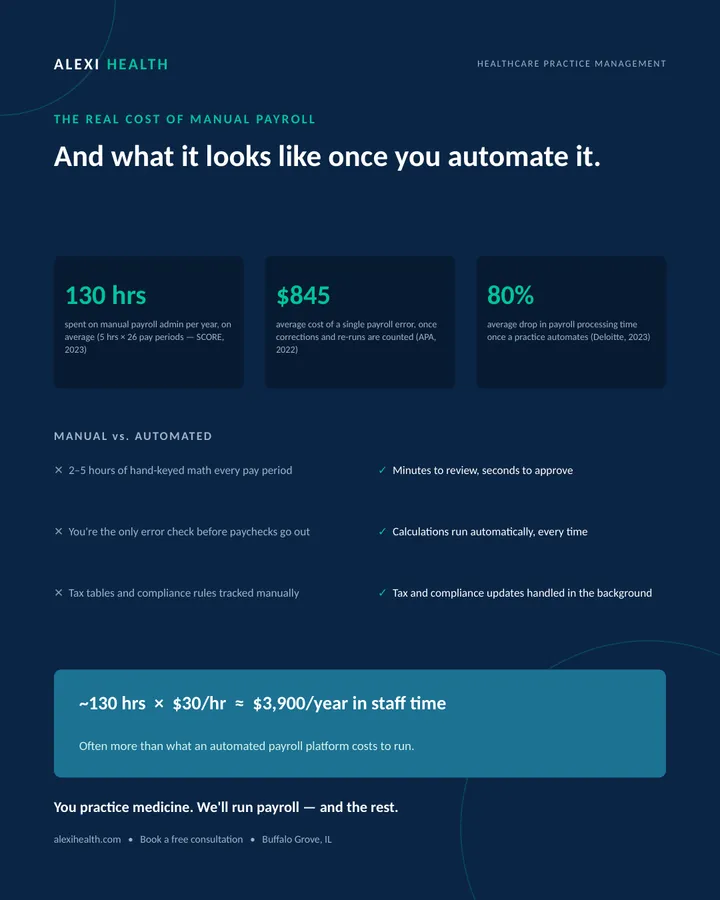
This increased scrutiny directly connects to the ideas discussed in the previous article, Optimizing Revenue Cycle Management: Billing, Collections, and Sustainability. When billing and documentation standards grow more complex, the financial risk grows as well. A single documentation gap can lead to payment delays or claim denials that affect your revenue cycle. Opioid prescribing rules now play a similar role, because payers expect complete, clear, and defensible records before approving reimbursement.
For many practices, the challenge is not only compliance. It is maintaining efficiency, protecting revenue, and ensuring patient care stays consistent during policy changes. With strict opioid monitoring requirements, any disruption in documentation or workflow can create delays. Providers who want to stay ahead need systems that support compliance, reduce staff stress, and keep the patient experience smooth.
Increased regulatory focus reshapes clinical documentation
Regulators now expect more detailed documentation when any opioid is prescribed, even for short-term use. Providers need to record diagnosis clarity, justification for opioid use, patient-specific risks, and alternative treatments attempted. Each missing detail increases compliance risk and can trigger payer review. Practices that lack structured workflows often struggle to keep up, especially when seeing high patient volumes.
Stricter documentation standards directly affect the revenue cycle. Payers are now more likely to request prior authorizations or chart reviews for opioid-related visits. According to CMS, opioid-related claim denials increased by an estimated 18 percent over the past three years. A bar chart comparing denial rates can help illustrate this rise. These denials slow collections and increase staff workload, especially for small practices without strong administrative support.
Another challenge involves variations in state rules. Some states require prescription drug monitoring program (PDMP) checks before issuing opioids. Others require written treatment agreements or risk assessments. These inconsistencies make compliance harder for multi-state practices. Providers need standardized internal protocols that align with each state’s requirements while protecting care continuity.
Without proactive planning, documentation gaps can lead to audits, financial loss, or disciplinary action. Practices that rely on manual processes face the highest risk. Strong compliance requires clear workflows, consistent staff training, and technology that helps providers document quickly and accurately.
How opioid oversight affects the patient journey in clinics
Compliance rules often slow down the patient journey if workflows are not optimized. Extra documentation steps, PDMP checks, and consent forms extend appointment times. When these tasks fall on staff who are already handling scheduling, intake, and billing, clinic flow becomes disrupted. Patients may wait longer, and providers may feel rushed.
These bottlenecks create financial ripple effects. A study published by the American Medical Association found that administrative tasks linked to opioid prescribing increased average visit time by 7 to 9 minutes per patient. A pie chart showing the proportion of added administrative minutes per visit would support this data. Longer visits reduce the number of daily appointments, which affects revenue for fee-for-service practices.
Opioid-related delays also increase claim errors. When staff feel pressured, they are more likely to miss coding details or forget required documentation. This connects back to the themes in the previous article, where incomplete claims were identified as a major cause of cash flow problems. The same pattern now appears in opioid-related billing, where missing documentation often leads to time-consuming claim corrections.
Improving the patient journey requires clinics to find balance. You want strong compliance without slowing down care. You want accurate documentation without overwhelming providers. Technology and workflow adjustments help achieve this balance, allowing clinics to maintain efficiency while meeting regulatory expectations.
Technology helps clinics meet compliance without losing efficiency
Modern healthcare technology offers powerful tools that reduce compliance pressure. EHR systems now include opioid-specific templates that guide providers through required documentation fields. This prevents missing details and speeds up charting. When templates match payer requirements, claim approval rates improve and audits become less likely.
Automated PDMP integration is another significant advantage. Instead of logging into separate systems, providers can complete checks inside the EHR. This reduces time spent switching screens and improves accuracy. Research shows that integrated PDMP tools reduce check-related delays by up to 40 percent. A horizontal bar chart comparing workflow times with and without integration can illustrate this impact.
Decision-support tools also help providers choose safer prescribing options. They flag dosage risks, identify drug interactions, and highlight alternative therapies. These tools support clinical decision-making and reduce liability. When combined with strong documentation tools, they create a complete compliance framework.
For long-term sustainability, clinics must also connect their prescribing workflows with their revenue cycle processes. This ensures that documentation, coding, and billing stay aligned. Practices that integrate all three systems report fewer claim denials, faster reimbursement, and more predictable financial performance.
Building staff confidence through training and communication
Compliance succeeds when staff feel confident and supported. Many clinics struggle because teams are unsure about what rules apply or how to apply them correctly. Clear training helps staff understand documentation requirements, PDMP workflows, and best practices for communicating with patients about opioid safety.
Strong communication also builds patient trust. Patients often fear judgment when asking for pain relief. Providers who explain policies clearly reduce misunderstandings and limit complaints. This helps clinics maintain strong satisfaction ratings, which influence both patient retention and referral growth. A stable patient base supports stronger financial performance.
Staff training should also extend to billing teams. They need to understand new opioid-related coding rules and how to verify claims before submission. When billers know exactly what to check, fewer denials occur. This reduces resubmission work and protects cash flow, echoing the themes from the previous revenue cycle article.
Leadership plays a crucial role. Providers who communicate the reason behind compliance changes create stronger team alignment. When staff understand the purpose and process, they follow systems more consistently. This builds long-term resilience and reduces the stress caused by regulatory complexity.
Strengthening long-term practice sustainability under opioid regulations
Opioid rules will continue to evolve as regulators track outcomes and refine policies. This means clinics need systems that remain flexible over time. Practices that depend on manual compliance processes often struggle to adapt. Automated tools and clear workflows make it easier to adjust when new rules appear.
Financial sustainability also requires careful monitoring of denial patterns. If opioid-related claim denials rise, clinics need to investigate immediately. This prevents long-term revenue loss and protects operational budgets. Links to reputable sources like the CDC, CMS, and the American Academy of Family Physicians can help teams stay updated on regulatory changes and clinical guidelines.
Practices should also look beyond compliance and consider how pain management fits into their broader care model. Telehealth follow-ups, non-opioid treatment pathways, and preventive care programs reduce risk and improve outcomes. These approaches strengthen patient trust and position the clinic as a responsible and patient-centered provider.
Sustainability depends on balancing patient safety, regulatory expectations, and business performance. Clinics that adopt smart workflows, strong documentation habits, and efficient revenue cycle systems will stay protected as policies evolve. This is the long-term advantage of treating compliance as part of your operational strategy rather than a burden.
A Strategic Path Forward for Modern Practices
The rise in opioid prescribing scrutiny affects every part of clinical operations. It touches patient flow, documentation standards, revenue cycle stability, and regulatory compliance. Clinics that respond proactively will protect both patient safety and financial sustainability. Those who delay improvements risk audits, denials, and operational stress.
This article builds on the ideas presented in Optimizing Revenue Cycle Management: Billing, Collections, and Sustainability. The same principles apply here. Strong systems, smart workflows, and consistent documentation are the foundation of a stable healthcare practice. Opioid compliance is simply another area where these strengths matter.
If you want to improve your workflow, strengthen your compliance processes, or streamline your revenue cycle, the first step is evaluating where your team feels the most pressure. From there, you can build systems that protect both clinical quality and financial stability.